RTL Design and Integration Course

RTL Design and Integration training is a 3.5 months course focused on all the aspects of RTL integration job role including Linting, CDC, manual integration, UPF, SDC, Synthesis, LEC and STA with multiple hands on projects.

5/5
4.8/5
4.5 Star1665 ratings
2987+Student Enrolled
Student Testimonials
Course Overview

RTL Design and Integration Course Overview

Course Overview

RTL Design and Integration training is a 3.5 months course focused on all the aspects of RTL integration job role including Linting, CDC, manual integration, UPF, SDC, Synthesis, LEC and STA with multiple hands on projects.


Training focus will be on manual integration, developing the glue logic during integration, tool based integration, linting, CDC, UPF, Synthesis and STA.


Like any other job role in VLSI design flow, RTL integration is also a tool intensive job. RTL Integration course will provide the student with expertise on Synopsys Spyglass(Lint and CDC), Design compiler for Synthesis and Primetime for STA. Tools helps with quick turn around in time critical projects, where integration engineer is expected to release the design tag in short timelines. 


With growing design complexity and reducing timelines, it requires efficient techniques for RTL connectivity and developing the logic for various blocks integration. LINTING is a static analysis of the RTL code based on some set of rules and guidelines. When these rules or guidelines are broken, LINT tool flags errors or warnings, which need to be reviewed, fixed or waived by designer. This course discusses good amount of LINT rules and guidelines, which will enable audience to gain good design practices and perform LINTING if needed.


Course includes Splyglass based CDC(Clock domain crossing) for the synchronization of various signals moving across one clock domain to another. Course will focus on in-depth analysis of Lint and CDC checks with hands on integration project.


Similar to how we have multiple clocks in a System-On-Chip design we do have multiple power domains being used in modern SOCs for different reasons. Unified Power Format is IEEE standard developed by Accellera. This is used to ease the job of specifying, simulating and verifying the design with multiple power states and power islands. 


UPF is designed to specify power intent of a design at high level. UPF scripts mention the details of which power rails need to be connected to which IP, whether the register values need to be retained during power off, whether we need an isolation of design in case of power down and manages voltage levels shift as signals cross from one power domain to the other. In this course we discuss the need for multiple power domains, basics of UPF and some examples.

Syllabus
RTL Design and Integration Course Modules

Spyglass, RTL integration tools, VLCP, Design compiler, Primetime, Formality

Video Thumbnail
Play Icon
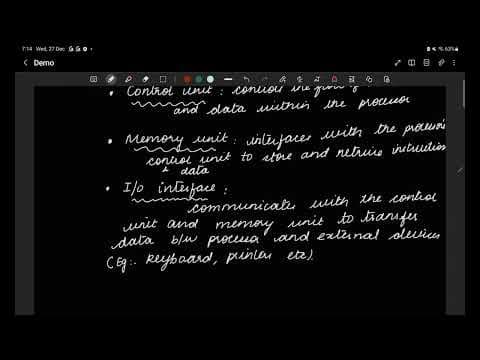
Watch Demo Video

Key Features

Master industry-standard Verilog/SystemVerilog for robust RTL design.
Gain practical expertise in complex SoC integration methodologies.
Learn advanced verification techniques for functional correctness.
Hands-on projects simulating real-world chip development scenarios.
Expert instructors with deep industry knowledge and experience.
Flexible weekend batches tailored for busy working professionals.

Who All Can Attend This RTL Design and Integration Course?

The RTL Design and Integration Course can be attended by
Electronics/Electrical Engineering Graduates
Working Professionals in VLSI Domain
Design Engineers Seeking RTL Expertise
Verification Engineers Expanding Skill Set
Fresh Engineering Graduates Aspiring VLSI Careers
Professionals in Allied Semiconductor Fields
Electronics/Electrical Engineering Graduates
Working Professionals in VLSI Domain
Design Engineers Seeking RTL Expertise
Verification Engineers Expanding Skill Set
Fresh Engineering Graduates Aspiring VLSI Careers
Professionals in Allied Semiconductor Fields
Pre-requisites To Take RTL Design and Integration Course
  • Basic understanding of digital logic design concepts.
  • Familiarity with at least one hardware description language (Verilog/VHDL).
  • Fundamental knowledge of semiconductor devices and CMOS technology.

High Demand for RTL Design and Integration Course

Know about the Growing VLSI industry

RTL Design Engineers are in high demand as the semiconductor industry expands, with projections showing a significant increase in VLSI design roles globally. They are crucial for creating the foundational hardware descriptions for complex chips.

Annual Salary

₹4 LPA

₹8 LPA

₹10 LPA

₹20 LPA

5.0 (3.1K Reviews)
120+ employers Hiring
Achieve the next big milestone in your career
in just a few simple steps
Certification icon
Learning Path
Training
Comprehensive VLSI theory and practical sessions led by industry experts.
Hands-On
Gain real-world experience with industry-grade tools and workflows.
Project
Build end-to-end projects to reinforce your VLSI concepts and skills.
Internship
VLSIGuru Internship Program to learn, practice, and gain real-world VLSI experience.
Placement
Land your dream job through our placement support and network.

Mode of Training

Live online classroom
Learn in instructor-led live sessions
-
0+Enrolled
  • Learn in real-time with instructor-led sessions
  • Flexible access from anywhere
  • Recorded sessions available for revision
  • Training on industry-standard tools
  • Get certification after completion
Upcoming Batches
E-Learning
Progression of their learning journey
-
0+Enrolled
  • Self-paced learning as per your flexibility
  • Industry-aligned learning modules
  • Certification after course completion
  • Access to structured video lessons and materials
  • Track your progress step by step
  • Access to learning materials for more than 1.5 years
Enroll now to start your learning
RTL Design and Integration Course Benefits

Enroll in the RTL Design and Integration course to master crucial skills for a vital VLSI role. This comprehensive 3.5-month program emphasizes hands-on projects covering linting, CDC, manual and tool-based integration, UPF, SDC, synthesis, LEC, and STA. Gain expertise in Synopsys Spyglass, Design Compiler, and Primetime, essential for efficient design integration in complex, time-sensitive projects. Learn best practices for RTL connectivity and power management using UPF.

You-
Your Employer-
Career Path
Entry-Level RTL Design Engineer
Verification Engineer
RTL Design Engineer
RTL Integration Engineer
Technical Lead/Module Lead
SoC Architect/Integration Architect
Project Manager/Technical Manager
Learning Path
Complete foundation modules and gain strong theoretical understanding.
Hands-on practice with industry tools during lab sessions.
Assignments and mini projects to strengthen practical knowledge.
Advanced topics covered with real-time case studies.
End-to-end project evaluation based on methodology and accuracy.
Career readiness support with mock interviews and resume guidance.
Digital certificate provided, with option for physical copy.
Download Placement Records
in just a few simple steps
Certification icon
-
Why Choose Us
VLSIGuru – Placement Assistance

At VLSIGuru, we believe that education should lead to meaningful employment. Our training programs are designed not just to impart technical excellence, but also to bridge the gap between academic learning and industry demands. With a strong network of hiring partners and a proven track record, we ensure that our students are career-ready.

Placement Highlights

icon
100% Placement Assistance for Flagship Programs
Resume building and job referrals
Mock interviews with industry mentors
icon
Industry-Level Project Exposure
Work on real-time problems
Placement support across domains
Analog Layout & Custom Design
Physical Design
ASIC/FPGA Design
RTL Design & Functional Verification
Design for Testability (DFT)
Our Placement Process
Technical Training
  • Industry-aligned curriculum
  • Hands-on projects and case studies
Soft Skills Development
  • Communication skills
  • Resume building and interview preparation
Mock Interviews
  • Technical and HR mock sessions
  • Aptitude and domain-specific test series
Placement Drives
  • Regular drives and exclusive hiring events with partner companies
  • Resume building and interview preparation
career
Accelerate Your Career withOur Expert Services

At VLSIGURU, we provide industry-focused VLSI training and guidance that helps students and professionals build strong technical skills and succeed in their careers. Our programs are designed to be practical, flexible, and aligned with current industry requirements.

icon-1
VLSI Design Training
Gain hands-on experience in VLSI design through live projects and assignments, ensuring you can apply your knowledge effectively in real-world scenarios.
icon-2
Career-Oriented Learning
Our courses prepare you for professional growth by offering flexible learning options, expert mentorship, and practical insights into industry practices.

Student Reviews

Ankush Burhmi
Ankush Burhmi
Student
Placed At:PerfectVIPscap

Frequently Asked Questions

  • Course presentations for all topics
  • Session notes
  • Lab documents with detailed steps
  • User guides
  • Yes, Course fee also includes support for doubt clarification sessions even after course completion  
  • Student can email queries
  • Option to meet in person to clarify doubts
  • Digital design fundamentals
  • Verilog coding basics

Each session of course is recorded, missed session videos will be shared

  • Yes, You will have option to view the recorded videos of course for the sessions missed  
  • You will have option to repeat the course any time in next 1 year

RTL design verification is the process of ensuring that the Register Transfer Level (RTL) description of a digital circuit functions correctly and meets the desired specifications before it is synthesized into gates. It involves using various techniques like simulation and formal methods to identify and fix design flaws early in the development cycle.

Learning RTL design and verification involves understanding digital logic principles, mastering a hardware description language (like Verilog), learning verification methodologies (simulation, linting, CDC), and gaining practical experience through hands-on exercises and projects. Our comprehensive course provides a structured path to acquire these skills.

The primary hardware description languages used for RTL design are Verilog and SystemVerilog. Our course focuses extensively on Verilog and introduces key concepts of SystemVerilog, which is increasingly adopted in the industry for its advanced features.

The duration of our comprehensive RTL Design and Integration course is 3.5 months. This intensive program is structured to provide in-depth knowledge and practical skills within a focused timeframe.

The typical starting salary for professionals with RTL design and integration skills in India ranges from ₹4 LPA to ₹8 LPA. With experience, this can significantly increase to ₹10 LPA to ₹20 LPA or even higher for senior and specialized roles, depending on various factors.

Our course covers all aspects of the RTL integration job role, including: Linting, Clock Domain Crossing (CDC), manual integration techniques, power-aware design using UPF, Synopsys Design Constraints (SDC), Synthesis, Logic Equivalence Checks (LEC), and Static Timing Analysis (STA). We emphasize both theoretical understanding and practical application through multiple hands-on projects.

A significant portion of our course is dedicated to practical, hands-on experience. You will work on multiple projects that simulate real-world RTL integration scenarios, utilizing industry-standard tools to solidify your understanding and build strong practical skills.

Yes, our RTL Design and Integration course is specifically designed to equip you with the skills and knowledge highly sought after by the VLSI industry. The comprehensive curriculum, focus on practical skills, and career guidance aim to enhance your employability significantly.

You will gain hands-on experience with industry-leading EDA tools from Synopsys, including Spyglass (for Lint and CDC), Design Compiler (for Synthesis), and PrimeTime (for STA). Understanding and using these tools is crucial for a successful career in RTL design and integration.

We continue to support our students even after course completion. Our course fee includes doubt clarification sessions, and you can also reach out to our instructors via email for any queries you may have as you start your career. In some cases, there might be an option for in-person doubt clarification as well.

We understand that you might miss some sessions due to unforeseen reasons. All our sessions are recorded, and the video recordings of the missed sessions will be shared with you, ensuring you don't fall behind on the course material.

After completing our RTL Design and Integration course, you can pursue roles such as Entry-Level RTL Design Engineer, Junior RTL Integration Engineer, Verification Engineer (with RTL focus), Intermediate RTL Design Engineer, Intermediate RTL Integration Engineer, Technical Lead/Module Lead, SoC Architect/Integration Architect, and eventually Project/Technical Manager.

Yes, we understand the importance of making an informed decision. We would be happy to arrange a demo session for you to get a better understanding of the course content, teaching methodology, and interact with our instructors. Please contact us to schedule a demo session.

Yes, VLSIGuru offers placement assistance to help you transition into the industry. We provide guidance on resume building, conduct interview skills training, and share relevant job opportunities from our network to support your job search.

VLSIGuru
VLSIGuru is a top VLSI training Institute based in Bangalore. Set up in 2012 with the motto of ‘quality education at an affordable fee’ and providing 100% job-oriented courses.
Follow Us On
We Accept

© 2025 - VLSI Guru. All rights reserved

Built with SkillDeck

Become the highest-paying VLSI engineer!

Join Hands with VLSIGuru Now

🇮🇳